Understanding the FDA: How It Works and Its Influence on Public Health
The FDA plays an essential role in safeguarding public health through its regulation of food, drugs, and medical devices. Established over a century ago, it has created a thorough structure for analyzing product safety and efficacy. Yet, the organization confronts substantial obstacles in adjusting to swift technological progress and constrained resources. Understanding the complexities of the FDA's operations reveals much about its impact on health and safety. What is in store for this vital institution?
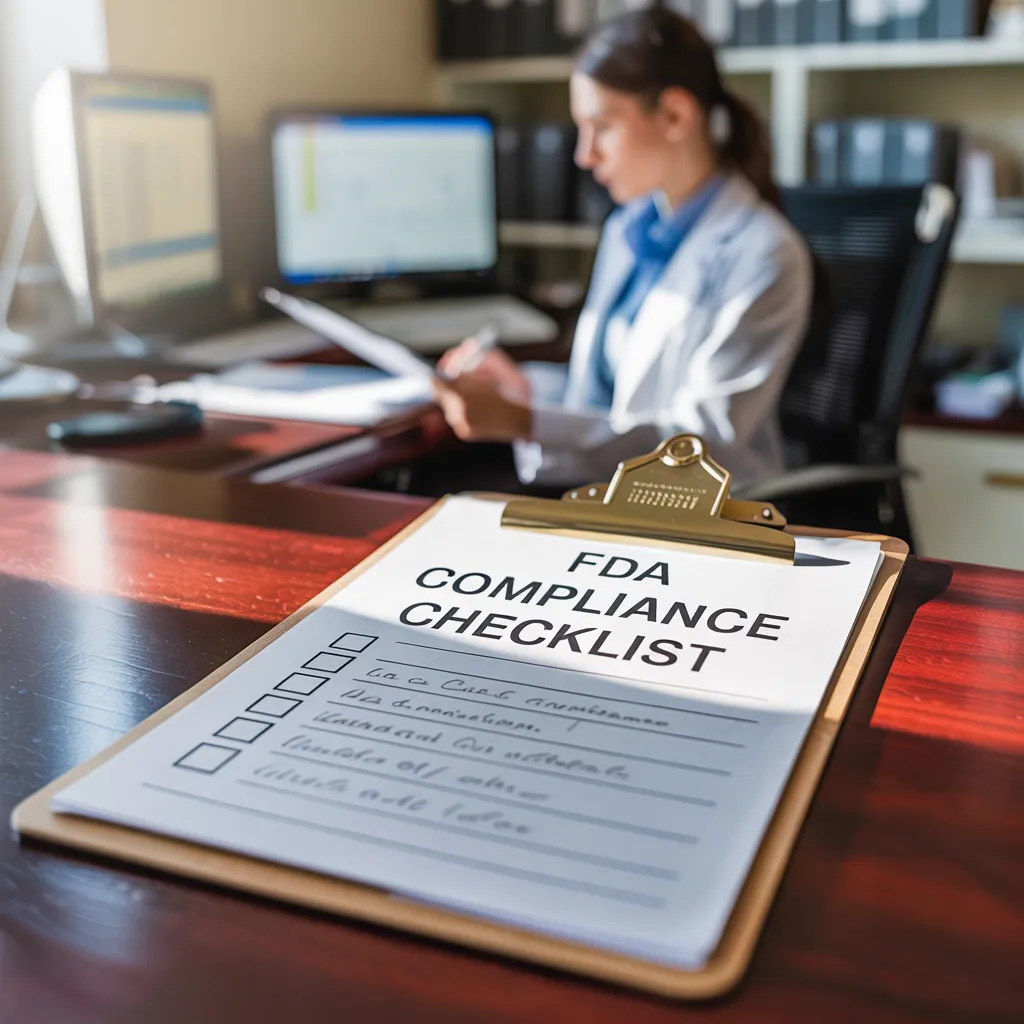
History and Mission of the FDA
Although the FDA was officially established in 1906, its beginnings date back to earlier endeavors in the 19th century intended for regulating food and drug safety. The Pure Food and Drug Act, passed in response to increasing public concern over unsafe practices and inaccurate labeling, constituted a significant moment in consumer protection. This legislation sought to guarantee that food and drugs were safe, effective, and accurately portrayed. The mission of the FDA progressed as it sought to preserve public health, overseeing the safety of food, pharmaceuticals, and medical devices. Over time, the agency has adjusted its regulatory framework to deal with emerging concerns, such as the introduction of new technologies and the globalization of the supply chain. By giving priority to scientific evidence and public welfare, the FDA remains committed to its foundational mission, working to protect consumers and enhance the safety and efficacy of products available in the marketplace.
FDA Structure and Organizational Framework
The structure and organization of the FDA are designed to effectively fulfill its mission of protecting public health through the regulation of food, drugs, and medical devices. The agency operates under the Department of Health and Human Services and comprises several centers, each focusing on specific areas of regulation. The Center for Drug Evaluation and Research oversees pharmaceuticals, while the Center for Food Safety and Applied Nutrition manages food products. The Center for Devices and Radiological Health oversees the regulation of medical devices and products that emit radiation.
In addition, the FDA features multiple offices committed to research, policy development, and compliance. These departments guarantee that the agency can respond to public health emergencies and maintain high standards for safety and efficacy. The FDA's organizational structure promotes collaboration across these centers, allowing a comprehensive approach to health regulation and fostering innovation while safeguarding consumer interests.
Pharmaceutical Regulatory Processes
When developing pharmaceuticals, strict regulatory procedures ensure that products are both safe and effective before reaching consumers. The U.S. Food and Drug Administration (FDA) regulates this procedure, which includes various crucial phases. To start, pharmaceutical companies perform preclinical testing to evaluate a drug's safety and biological activity using laboratory and animal studies. Upon achieving positive results, companies present a New Drug Application (NDA) to the FDA, outlining their results and requesting permission for human trials.
Once approved, clinical trials initiate in three phases, reviewing safety, dosage, and efficacy in growing numbers of human participants. After completing these trials, the data is submitted for FDA review. The FDA assesses the evidence and decides whether to approve the drug for public use. Post-approval, the FDA keeps monitoring the drug's safety through adverse event reporting and continuous studies, making certain that any long-term effects are understood and managed effectively.
Food Safety Regulations and Inspections
Ensuring that food products are protected for consumption is a primary responsibility of the FDA, which sets stringent food safety standards and conducts regular inspections. These standards encompass multiple aspects such as food production, processing, packaging, and distribution, intended to decreasing risks of contamination and maintaining nutritional quality.
The FDA employs a risk-based approach to inspections, prioritizing facilities depending on their potential risks and compliance history. Inspections can be scheduled or initiated by reports of foodborne illnesses. Inspectors assess adherence to safety protocols and may implement corrective actions when necessary.
In addition, the FDA collaborates with state and local health agencies to enhance food safety efforts, sharing information and resources to address new threats. Through these extensive measures, the FDA plays an essential role in safeguarding public health, ensuring that consumers have access to safe and wholesome food products.
The FDA's Role in Medical Devices
Medical devices play an essential role in today's healthcare system, and the FDA is charged with overseeing these products to verify their safety and effectiveness. The FDA divides medical devices into three classes based on risk: Class I, Class II, and Class III. Class I devices, regarded as low-risk, require general controls, while Class II devices demand additional regulatory examination through premarket notifications. Class III devices, which pose the highest risk, undergo rigorous premarket approval processes to demonstrate their read here safety and efficacy.
The FDA evaluates clinical data, manufacturing practices, and labeling to verify that devices comply with established standards. This regulatory framework not only safeguards public health but also fosters innovation by delivering a clear pathway for the introduction of new technologies. By enforcing strict regulations, the FDA verifies that healthcare professionals and patients can rely on the medical devices they use, ultimately elevating the overall quality of care in the healthcare system.
Challenges Faced by the FDA
Navigating the intricate landscape of healthcare innovation presents substantial challenges for the FDA. One of the main obstacles is the rapid pace of technological advancement, which often surpasses existing regulatory frameworks. This creates a gap where new products may penetrate the market with limited oversight, creating potential risks to public health. Additionally, the FDA faces challenges from multiple stakeholders, including pharmaceutical companies, healthcare providers, and patients, all of whom have diverse expectations and demands about the approval process.
Financial restrictions further compound the FDA's ability to effectively evaluate new products. Budget limitations can lead to delays in the review process, which may impede timely access to essential medical innovations. Additionally, navigating public perception and trust is essential; any missteps in regulation can undermine confidence in the agency's ability to safeguard public health. Taken together, these challenges demonstrate the delicate balance the FDA must maintain in promoting innovation while ensuring safety.
What Lies Ahead for FDA Regulations and Public Health
As the FDA navigates the complexities of modern healthcare, future regulatory frameworks will be crucial in determining public health outcomes. Anticipated advancements in technology and data analytics are likely to influence regulatory approaches, allowing for more flexible and dynamic strategies. The FDA may place greater focus on real-time monitoring of health trends, facilitating proactive interventions in response to emerging public health threats.
Additionally, the integration of precision medicine into healthcare could trigger revisions in approval processes and safety assessments, highlighting patient-specific outcomes. As the population ages and chronic diseases escalate, the FDA will need to tackle multifaceted health needs while maintaining equitable access to innovative treatments.
Collaboration with international regulatory bodies may also improve global health standards. All in all, the evolution of FDA regulations will demonstrate a commitment to safeguarding public health while fostering innovation and addressing contemporary challenges in healthcare delivery.
Popular Questions
How Does the FDA Process Public Complaints Regarding Products?
The FDA handles public complaints by examining reports, analyzing product safety and effectiveness, and possibly implementing recalls or regulatory actions. They focus on consumer safety, guaranteeing products meet established standards and handling public concerns promptly.
What Is the Fda's Role in Dietary Supplements?
The FDA regulates dietary supplements by providing safety, labeling accuracy, and manufacturing quality. Though it doesn't approve supplements before they enter the market, it monitors adverse effects and enforces compliance with established regulations.
Is the FDA Able to Regulate Tobacco Products?
Yes, the FDA can regulate tobacco products. The FDA controls production, promotion, and distribution, aiming to reduce tobacco-related harm. Regulatory measures involve marketing restrictions, health warning labels, and production requirements to preserve community health and prohibit youth acquisition.
How Does the FDA Inform the Public About Recalls?
The FDA disseminates recalls to the public through notifications on its website, press releases, and social media updates. These channels ensure widespread awareness, permitting consumers to make informed decisions about their health and safety.
How Does the FDA View Alternative Medicine?
The FDA acknowledges alternative medicine while it emphasizes strict scientific evidence for safety and efficacy. It regulates some products as dietary supplements or medical devices while cautioning consumers against unproven claims and potential health risks.